
Categories
Home Sellers, Home BuyersPublished June 18, 2026
Is It Still a Seller's Market? Here's What the Data Says in 2026


Is it still a seller's market?
The short answer is: it depends on where you live. While some areas continue to favor sellers, national housing data shows the market has become much more balanced than it was just a few years ago, giving many buyers more opportunities and negotiating power.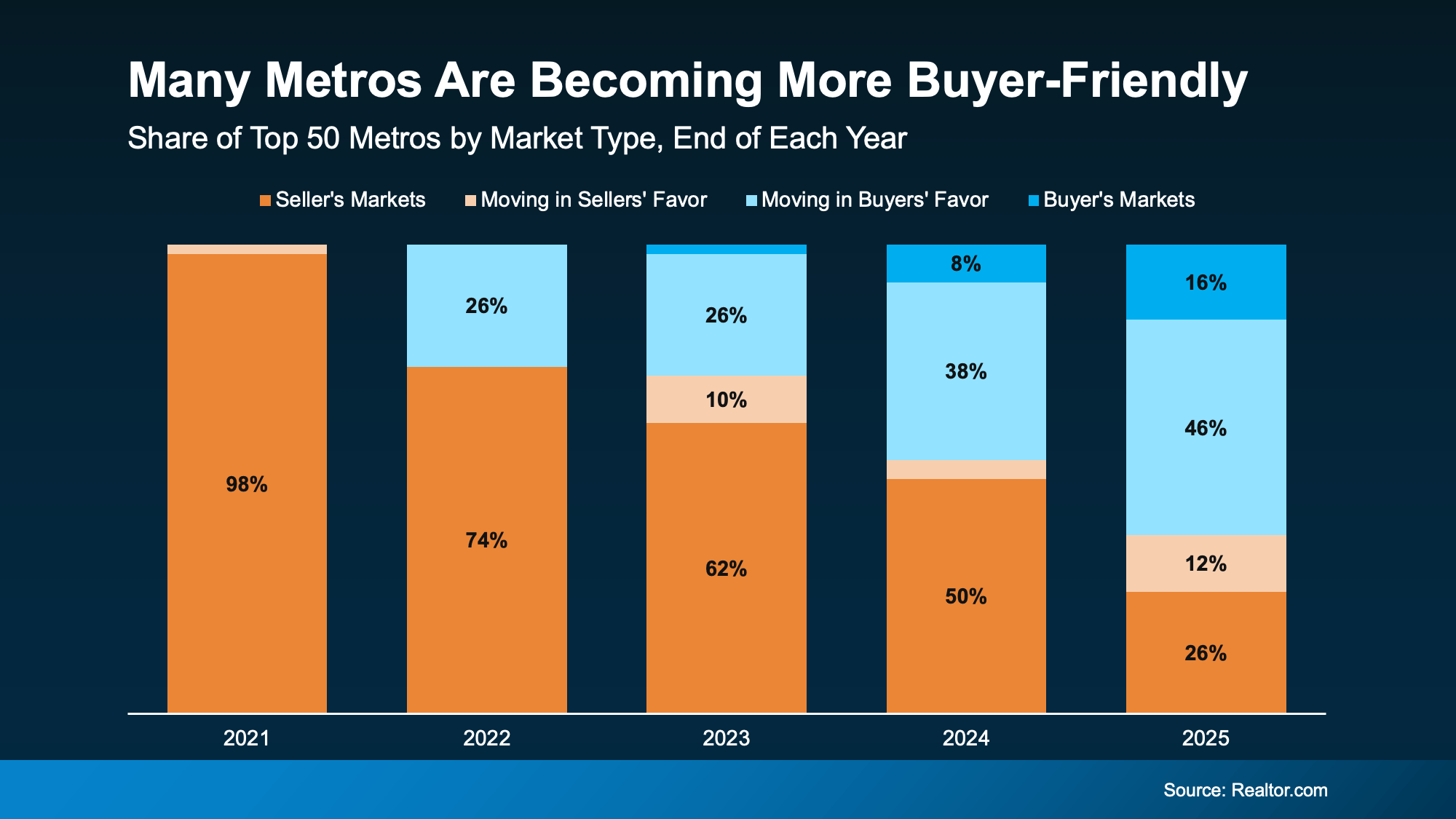
The Housing Market Has Changed Significantly
If you bought or sold a home in 2021, you probably remember how competitive the market was. Homes often received multiple offers within days, buyers waived contingencies to compete, and sellers had considerable leverage.
Today's market looks much different.
According to Realtor.com, the national housing market has gradually shifted toward more balanced conditions. Inventory has increased in many parts of the country, giving buyers more choices and reducing some of the intense competition that defined the post-pandemic market.
The chart above tells the story clearly. In 2021, nearly every major metro area was considered a seller's market. By the end of 2025, a much larger share of metro markets had shifted toward balanced or buyer-friendly conditions.
This doesn't mean sellers have lost their advantage everywhere. Instead, it means real estate is becoming increasingly local again.
What Makes a Market Buyer-Friendly or Seller-Friendly?
The answer comes down to one simple concept: supply and demand.
When there are more buyers than available homes:
- Sellers have more negotiating power
- Homes tend to sell faster
- Multiple offers become more common
- Prices often rise more quickly
When there are more homes available than active buyers:
- Buyers have more options
- Negotiations become more common
- Sellers may need to be more flexible
- Homes typically stay on the market longer
Many markets across the country are now moving toward a healthier balance between these two extremes.
Why Some Markets Are Shifting Faster Than Others
One of the biggest factors driving market changes is new construction.
Several Sun Belt markets experienced significant population growth over the past few years. Builders responded by increasing construction activity, creating additional housing inventory.
Cities such as:
- Austin
- Tampa
- San Antonio
have seen larger increases in available homes, creating more opportunities for buyers and introducing greater competition among sellers.
Meanwhile, many Northeast and Midwest markets continue to experience limited inventory. Because fewer homes are being added to the market, buyers in those areas often continue to face strong competition.
This is why national headlines don't always reflect what's happening in your neighborhood.
What This Means If You're Buying a Home
If you're a buyer, today's market may offer more opportunities than you've seen in recent years.
Depending on your local market conditions, you may find:
More Inventory to Choose From
One of the biggest frustrations buyers faced during the peak seller's market was a lack of options. Today, many markets offer a broader selection of homes.
Having more inventory allows you to:
- Compare properties more carefully
- Avoid rushing major decisions
- Find a home that better fits your needs
Increased Negotiation Opportunities
In some markets, buyers are regaining negotiating power.
Depending on the property and local conditions, you may be able to negotiate:
- Closing costs
- Repair requests
- Move-in timelines
- Seller concessions
Every transaction is different, but buyers often have more flexibility today than they did several years ago.
Less Intense Competition
While desirable homes can still attract multiple offers, many buyers are finding less competition than they experienced during the height of the market frenzy.
That can make the buying process feel more manageable and less stressful.
What This Means If You're Selling a Home
If you're a seller, success is still very achievable—but strategy matters more than it did during the peak seller's market.
Pricing Matters More Than Ever
When inventory was extremely limited, some homes sold quickly regardless of pricing strategy.
Today's buyers have more options.
That means pricing your home correctly from the beginning is critical. Homes that are priced appropriately tend to generate stronger interest and attract qualified buyers more quickly.
Presentation Can Make a Big Difference
In markets with increased inventory, buyers often compare multiple homes before making a decision.
Simple improvements can help your property stand out:
- Fresh landscaping
- Decluttering
- Professional photography
- Minor cosmetic updates
- Strategic staging
These details can help create a stronger first impression.
Flexibility Helps
Today's buyers may ask for concessions or repairs that sellers weren't accustomed to seeing a few years ago.
Being prepared for reasonable negotiations can help keep transactions moving forward and increase the likelihood of a successful closing.
Real Estate Is Local
The most important takeaway from today's market is that national trends only tell part of the story.
Even within the same state, neighboring communities can experience very different market conditions.
One area may strongly favor sellers, while another offers buyers more leverage.
That's why local expertise matters.
At The McClung Group, we closely monitor housing trends throughout The Woodlands and surrounding communities to help buyers and sellers understand what's happening in their specific market—not just what national headlines are reporting.
How to Determine Who Has the Advantage in Your Market
If you're considering a move, here are a few questions worth asking:
- How many homes are currently available?
- How long are homes staying on the market?
- Are sellers receiving multiple offers?
- Are price reductions becoming more common?
- What types of concessions are being negotiated?
The answers can reveal whether buyers or sellers currently have more leverage.
Final Takeaway
The housing market has become significantly more balanced than it was just a few years ago. While some areas continue to favor sellers, many metro markets are becoming increasingly buyer-friendly as inventory grows and competition moderates.
Whether you're buying your first home, upgrading, downsizing, or preparing to sell, understanding your local market conditions is the key to making informed decisions.
Ready to Understand Your Local Market?
If you're wondering whether The Woodlands area currently favors buyers or sellers, The McClung Group can help you evaluate the latest market trends and create a strategy tailored to your goals.
Whether you're buying, selling, or simply exploring your options, we're here to provide the local insight you need to move forward with confidence.

Tiffany McClung
Realtor and Team Leader | The McClung Group | Keller Williams The Woodlands & Magnolia
or another way